Convergence & Integration: The Whole Tech Stack Is Evolving Together
A deep look at how modern organizations are shifting from isolated tools to unified, intelligent, end-to-end systems—and why convergence is becoming the defining technology trend of 2025.
Nov 30, 2025

The Future of Technology Is Converged, Not Separate
The most important shift happening in technology today isn’t a single breakthrough in AI, cloud, or security—it’s the way these technologies are blending into cohesive, interconnected systems. The days of buying isolated tools and stitching them together after the fact are over. Organizations now compete on how well their systems talk to each other, learn from each other, and operate as one integrated platform.
Convergence has become the foundation of digital transformation, operational efficiency, and AI readiness.
AI as the Integrating Layer of the Modern Stack
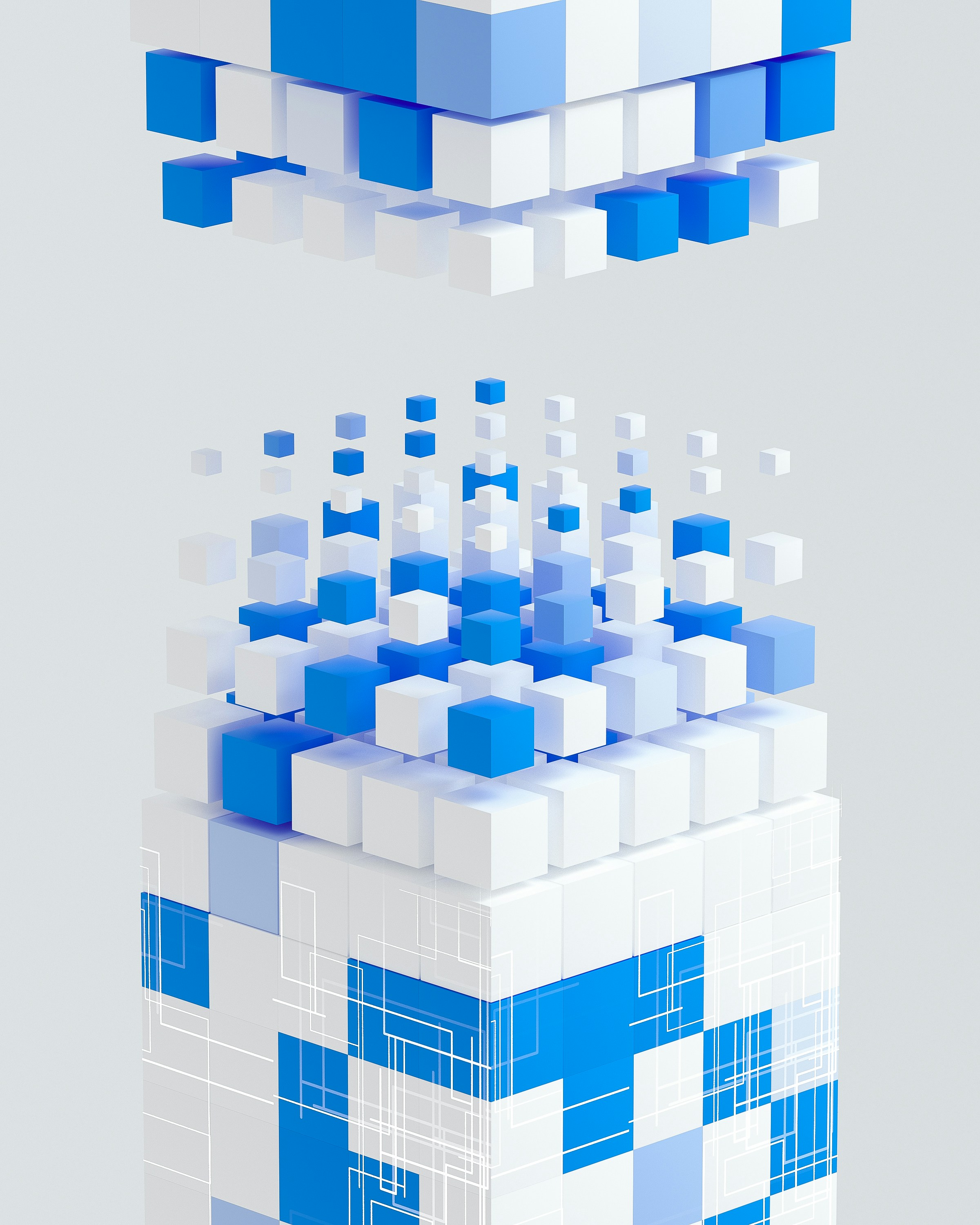
AI no longer sits at the edge of the business—it is now woven directly into the operational fabric. Rather than being a downstream analytic tool, AI increasingly drives orchestration, workflow decisions, data interpretation, and customer interactions.
For AI to deliver meaningful value, it requires connected systems, unified data, and real-time access across the stack. This makes integration not just a technical requirement, but a strategic capability. The organizations that prepare their data pipelines, integration layers, and process architecture for AI will move faster and innovate faster than those that treat AI as a bolt-on enhancement.


Distributed Infrastructure Is Becoming the New Normal
Cloud, edge, and data platforms are no longer competing architectures—they are coexisting components of a distributed operating model. Businesses are adopting hybrid strategies that combine the scalability of cloud services, the speed of edge computing, and the structure of modern data platforms.
This distributed approach unlocks:
Real-time operational insights
Lower latency for customer-facing experiences
Smarter automation across the organization
More resilient and scalable systems
Convergence in infrastructure is not about replacing one system with another. It is about designing technology that works in unison.
Security Must Span the Entire Digital Ecosystem
As systems converge, security must shift from a perimeter model to an embedded model. Modern security requires a continuous thread through every layer of the stack—data ingestion, identity, integrations, AI pipelines, and user-facing applications.
With more distributed systems, more automation, and more AI agents acting on behalf of users, organizations must adopt unified identity strategies, consistent access controls, and integrated monitoring. Security is no longer a separate box on a diagram; it is a foundational design principle.
Integrations Are Now Strategic Rather Than Tactical
For years, integration meant connecting one system to another and exchanging data on a schedule. Today, integration determines customer experience, operational performance, compliance posture, and the ability to deploy AI at scale.
A modern integration strategy involves:
Event-driven architectures instead of nightly batches
API-first systems instead of manual data transfers
Unified data models instead of system-specific silos
Process orchestration layered across core platforms
The companies that succeed in the coming decade will be those who treat integration as a top-level capability—not a technical afterthought.
What Organizations Must Do to Prepare
To operate effectively in a convergence-driven landscape, businesses should focus on:
Build unified architectures
Systems must be designed to share data, context, and intelligence across departments and platforms.
Replace legacy integration patterns
APIs, events, and real-time syncs must replace fragmented, slow, or manual integrations.
Develop a clear AI readiness plan
AI depends on connected data, clean data, and accessible data.
Adopt security as a cross-cutting discipline
Security must be embedded across cloud, edge, data platforms, and AI endpoints.
Treat convergence as a long-term modernization strategy
This involves people, process, and technology—not just tooling.
Conclusion
The most important trend in technology today is not AI alone, cloud alone, or automation alone—it is the convergence of all these capabilities into a unified operating fabric. Organizations that embrace integrated architectures and data-driven platforms will unlock faster innovation, stronger security, and dramatically improved customer and employee experiences.
At Vurtuo, we help organizations architect for this new reality—designing systems that are connected, intelligent, and built for the next decade of technological evolution.